

Frugal moves: how to plan finance basics and smart investments
A practical guide for personal finance in Bangladesh users. Learn steps, avoid pitfalls, and explore safe options for budgeting, banking, crypto and investments

Money decisions don’t happen in a vacuum. This article shows a clear path from basic budgeting to smarter investing, with practical steps you can take this month. You’ll learn to assess your cash flow, choose reliable accounts, and evaluate crypto and savings options in plain terms.
By starting with your everyday finances, you can build a buffer, reduce debt, and create space for future opportunities. The guide balances conservative choices with realistic risk, so you don’t chase every trend. Use the linked resources to verify details before committing funds.
Expect concrete examples, common mistakes to avoid, and checklists you can apply right away to improve your financial discipline.
- Start with a clear budget; then assess safe investment options.
- Keep costs low by choosing transparent accounts and funds.
- Include a small crypto exposure only if it fits your risk tolerance.
- Diversify to avoid overreliance on one income stream or market.
Foundations of your monthly plan
Assess cash flow accurately
Begin with a simple income minus essential expenses approach. Track two weeks of transactions to see where money goes, then categorize into needs, wants, and savings. This clarity helps prevent overspending when income fluctuates. Danimarka'da etkinlik duyur
- List recurring bills and their due dates
- Identify nonessential spends you can cut
- Set a modest monthly savings target
- Track essential vs discretionary spending for a realistic budget
- Automate transfers to savings to reinforce discipline
- Review subscriptions and small charges monthly
Choose reliable accounts
Open accounts that offer clear terms and reasonable fees. Compare withdrawal limits, cards, and online access to reduce surprise charges. Favor institutions with transparent customer support to resolve issues quickly.
- Favor no-penalty savings where possible
-Compare ATM and transfer costs
-Check withdrawal limits and card security features
Foundations of investment choices
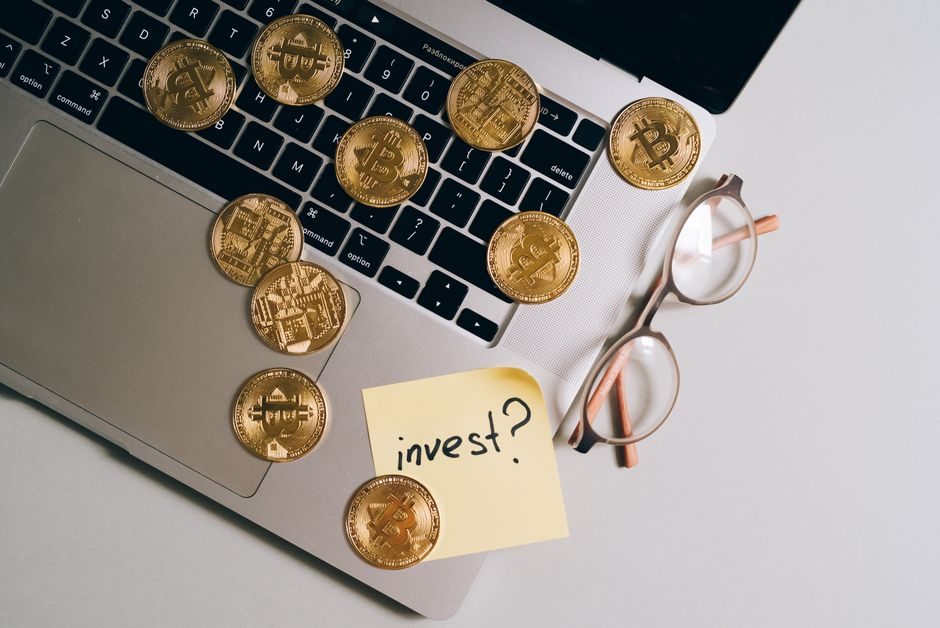
Identify safe bets for beginners
Start with broad-based options like low-cost funds or diversified savings vehicles. These reduce risk while you learn how markets react to events. Avoid chasing high-risk hot picks without a plan. A useful resource on this topic: danimarka.net.
-Prioritize liquidity for emergencies
-Balance risk with steady returns
-Limit speculative crypto exposure
Evaluate crypto with care
If you consider crypto, treat it as a small part of the overall plan. Research wallets, security practices, and the potential for loss in volatile markets. Only allocate money you can afford to lose without affecting essentials.
-Limit initial exposure to a tiny portion of net worth
-Use reputable wallets with two-factor authentication
-Avoid complex trading strategies early on
Common pitfalls to avoid
Overlooking fees
Fees quietly erode returns. Review all charges, from account maintenance to fund management. Even small percentages compound into noticeable losses over time. A useful resource on this topic: Danimarka'da iş rehberi.
-Track annual percentage yields and fees
-Choose low-cost options when possible
-Beware hidden costs in transfers
| Option | Risk profile | Fees and accessibility |
|---|---|---|
| Low-cost index funds | Moderate | Low fees, easy to access |
| High-yield savings | Low to moderate | Moderate fees, high liquidity |
| Diversified ETFs | Moderate to high | Low fees, broad exposure |
Relying on one source
Avoid depending on a single income stream or investment idea. A diversified plan reduces risk when markets shift. Build a fallback plan so disruption doesn’t derail goals.
-Create secondary income or side venture
-Diversify across asset classes
-Set triggers to rebalance when needed
Practical tips to implement now

Set up a simple routine
Create a weekly check-in to review spending, savings, and goals. Adjust the plan as income changes or new expenses appear. A small, consistent habit beats erratic spikes. A useful resource on this topic: Danimarka'da personel ilanı.
-Review budget every Sunday
-Update expense categories
-Adjust savings pace as needed
Track progress with a basic table
A simple table helps compare expected vs actual results. Note inflows, outflows, and net savings. Visuals make it easier to see where adjustments matter most.
-Update weekly totals
-Highlight largest variance
-Plan corrective steps
For Bangladesh-oriented readers, note how progressive rates affect higher earnings and how investment schemes or reliefs can reduce exposure.
Diving deeper into tax planning
Understanding tax brackets and bands
Start with the basic tax bands in your country and map how each income level is taxed. This helps you estimate take-home pay and plan timely tax payments. Use a simple worksheet to track incremental income changes and the impact on your overall liability. Danimarka'da anma ilanı
- Automate year-end contributions to retirement or savings accounts.
- Use tax-advantaged instruments where available to reduce taxable income.
- Review a mock tax scenario quarterly to stay ahead of changes.
For Bangladesh-oriented readers, note how progressive rates affect higher earnings and how investment schemes or reliefs can reduce exposure. Always verify current rules with official sources before making big moves.
Keep a yearly pulse on deductions you regularly miss, such as retirement contributions or education credits. Small changes throughout the year add up to meaningful refunds or lower bills.
- Track monthly income vs. tax bands
- Estimate quarterly payments to avoid penalties
- Review deductions before year-end
- Plan around any changes in filing status

Strategies for tax-efficient investments
Choose investments that offer tax-advantaged growth where possible. This could mean long-term holdings or accounts that defer taxes until withdrawal. The goal is to keep more of your gains invested rather than paying current taxes.
Balance risk and tax impact by diversifying across accounts and asset classes. This helps smooth tax outcomes if markets move suddenly. Include some flexible funds or cash reserves to avoid selling during downturns.
Regularly rebalance your portfolio with tax consequences in mind, not just performance. Considers costs, turnover, and the timing of capital gains when you trade assets.
- Use tax-advantaged accounts when available
- Avoid short-term trades that trigger high taxes
- Coordinate withdrawals to minimize marginal tax rate
- Monitor costs to preserve net returns
Smart ways to borrow responsibly
Choosing loans with clear terms
When evaluating a loan, write down the total cost, not just the interest rate. Include fees, penalties, and early repayment costs to compare apples-to-apples. This clarity prevents surprise charges later.
- List all fees associated with the loan.
- Highlight the total repayment and monthly payment.
- Note any penalties for early repayment or missed payments.
Prefer fixed rates for predictable monthly payments when your budget is tight, but consider floating rates if you can tolerate some variability and expect rates to fall.
Read the fine print on prepayment penalties and grace periods. These details add up over time and can change the real cost of borrowing.
- Compare total repayment amount
- Assess prepayment terms
- Check for hidden fees
- Consider your repayment horizon

Alternative credit options
Before using high-interest credit, explore lower-cost options like a credit union loan or a personal loan from a bank with a fixed rate. These can save money over time even if access is slower to approve.
For short-term needs, consider a 0% introductory offer only if you can pay off the balance before the promo ends. Mismanaging these offers leads to high rates after the period.
Keep track of all balances and due dates in one calendar. This reduces late fees and helps you maintain a healthy credit profile.
- Explore lower-cost lenders
- Cap usage to avoid interest
- Set reminders for due dates
- Review the true cost of offers
Frequently asked questions
What is the first step to start a budget?Begin by noting all sources of income and essential monthly expenses. Create a simple chart to track one month, then adjust categories as you learn where money goes. The key is consistency, not perfection.
How can I reduce debt without feeling overwhelmed?List all debts with their interest rates, monthly payments, and balances. Target the highest rate first, then snowball smaller debts as you free monthly cash. Automate minimums and add extra payments when possible.
Are there better ways to save for retirement than a basic account?If available, use retirement accounts or pensions that offer employer matching or tax advantages. Contribute regularly and avoid dipping into these funds for nonessential expenses.
What should I do if I face a sudden financial shock?Rely on an emergency fund first, then look for low-cost credit options with clear terms. Reassess discretionary spending and adjust contributions to rebuild the cushion quickly.
Conclusion
Takeaway: Build a practical, low-friction plan that blends budgeting, saving, and investing. Start with a simple starter portfolio and automate where possible to maintain momentum.
Next step: Set a semiannual review schedule and adjust for life changes, keeping costs and taxes in check as you grow.
Add Bangladesh News as a preferred source on Google


