

How Bangladesh’s Tourism Industry Works: A Practical Guide
See how Bangladesh tourism works, from transport and accommodation to jobs, trip planning and the online information that helps visitors choose services.

Bangladesh’s tourism industry connects travellers with transport, accommodation, food, guides, attractions and the local services that make a trip possible. Visitors usually plan around a destination and travel conditions, then arrange how to get there, where to stay and what to do. The industry includes public agencies and private businesses, with workers and communities contributing at every stage.
The experience can differ sharply between a city break in Dhaka, a visit to archaeological sites and a coastal or nature-focused trip. Travel time, seasonal conditions, access to facilities and the reliability of available information all affect what is practical. Comparing these details before departure helps visitors set realistic expectations and make choices that suit their needs.
This guide explains how the visitor journey works, where tourism jobs and businesses fit, and how travellers find destination information online. It also considers the practical differences between tourism business models and the information operators should keep clear. The aim is to help readers understand the moving parts behind a trip, whether they are travelling or working in the industry.
- Tourism connects transport, accommodation, food, activities and visitor information.
- Plan around travel time, access, confirmed services and the needs of the group.
- Tourism jobs and businesses range from focused services to coordinated packages.
- Check details directly with providers; online visibility alone does not establish reliability.
What the tourism industry includes
Services behind each trip
Tourism is the network of services that helps people travel, stay, eat and take part in activities away from home. In Bangladesh, that can mean a bus or boat operator, a guesthouse, a restaurant, a local guide and an attraction working separately or in coordination. Each service shapes how accessible and comfortable a visit feels.
Transport connects destinations, while accommodation gives visitors a base and food businesses meet everyday needs. Guides and tour operators can add local context, arrange activities and help coordinate logistics, but their roles differ. A visitor exploring an archaeological site independently may need transport and entry information, while a guided trip may bundle these services.
Tourism also includes the information and support that help a visitor make decisions before and during travel. Destination managers, public authorities and community organisations can influence access, maintenance and visitor guidance. These contributions may be less visible than a hotel or attraction, yet they affect whether a place is easy to understand, reach and experience responsibly.
Places and local participation
A destination is more than a landmark: it includes the surrounding community, transport links, services and visitor facilities. In Dhaka, a museum visit may fit into a day shaped by traffic and opening arrangements; a nature trip may depend more on access, weather and local guidance. The setting determines which practical details matter most.
Residents contribute through businesses, cultural activities, food, guiding and the everyday knowledge visitors need. Their participation can make a visit more informative and direct tourism spending into the local economy. Visitors, in turn, should respect local customs, follow site guidance and avoid treating communities or sensitive places as attractions without limits.
Public and private responsibilities often overlap. Authorities may manage public facilities or provide visitor information, while businesses arrange transport, rooms, meals and tours. Clear information about who operates a service, what is included and where responsibility lies helps travellers know whom to contact when plans change.
How a visitor’s journey works

From idea to itinerary
A visitor’s journey starts by matching a destination with available time, interests, budget and practical needs. Someone planning a short Dhaka stay may prioritise urban attractions and nearby transport, while a longer trip can allow for travel between regions. Starting with these limits prevents an ambitious list from becoming an unworkable itinerary.
Next, travellers check how to reach each place, how long transfers may take and whether accommodation is available where they need it. They should confirm operating arrangements and access details directly when information is unclear, especially for less frequently visited sites. A realistic schedule leaves room for meals, rest and delays rather than filling every hour.
Once the route is workable, visitors can compare services and decide what to arrange in advance. A guided activity may make sense when local context or coordination is important; independent travel can suit a familiar route with clear transport options. Keeping confirmation details and contact information together makes it easier to handle changes while travelling.
- Choose destinations that fit the available time.
- Check routes, transfers and access conditions.
- Confirm accommodation and key services.
- Save booking details and operator contacts.
What happens on arrival
On arrival, the visitor moves from the plan to the services that make it work: local transport, check-in, meals, tickets or a meeting with a guide. Confirming pickup points and arrival times in advance reduces confusion, particularly when several operators are involved. Travellers should keep a direct contact for the person or business responsible for each arrangement.
During the visit, clear expectations help both visitors and service providers. Travellers should check what a tour includes, whether meals or entry are covered, and how long an activity is expected to take. Asking before paying or setting out can prevent misunderstandings about transport, access, equipment or additional services.
The journey continues after an activity ends, because visitors still need to return to their accommodation or reach the next stop. A useful plan considers departure times, transport availability and a backup if arrangements change. At the end of a trip, sharing specific feedback with a provider can also help identify what worked and what needs clarification.
Tourism careers and business options
Roles across the visitor economy
Tourism work spans guest-facing jobs and the operational roles that keep services running. Hotels need reception, housekeeping, food and maintenance staff; tour businesses may need guides, booking coordinators and drivers. Transport operators, restaurants and attractions also rely on people who manage safety, customer questions and day-to-day logistics.
- ☐ Identify the visitor need the role serves.
- ☐ Match duties to relevant skills.
- ☐ Set clear safety and service procedures.
- ☐ Make responsibility for bookings and questions clear.
Some roles depend on direct local knowledge, while others focus on planning, administration or communication. A guide may explain a site’s history and help a group follow local arrangements; a booking coordinator confirms dates and service details. These jobs require different skills, but accuracy, courtesy and clear communication matter across them.
Tourism employment can be connected to seasonal demand and the timing of visits, so businesses need to plan staffing around expected activity. Workers benefit from understanding the service standards and safety procedures relevant to their role. For visitors, knowing who is responsible for a booking, a transfer or an activity makes it easier to ask the right person for help.
| Option | Main service | Useful consideration |
|---|---|---|
| Guesthouse | Accommodation | State location and facilities clearly |
| Restaurant | Meals | Explain service and opening arrangements |
| Tour operator | Activities or transfers | Clarify inclusions and responsibilities |
| Independent guide | Local interpretation | Confirm route and meeting point |
Choosing a business model
A tourism business can focus on one service or combine several parts of a trip. A guesthouse sells accommodation, a restaurant serves visitors and residents, and a tour operator coordinates activities or transfers. Bundling can simplify planning for travellers, but it also requires the business to state clearly what each package includes and who provides it.
The right model depends on the visitor need, the place and the business’s ability to deliver reliably. A small operator with strong local knowledge may offer a focused guided experience, while a lodging business may add meals or transport coordination. Before expanding, an operator should consider staffing, safe delivery, customer communication and links with other local providers.
Partnerships can help businesses offer a more complete trip without trying to own every service. For example, an accommodation provider might refer guests to an independent guide or transport operator, while explaining how to contact them. The arrangement works best when availability, responsibilities and any limits are transparent to the traveller.
A useful business page answers practical questions rather than relying on broad claims.
How travellers discover places and services
Finding reliable information online
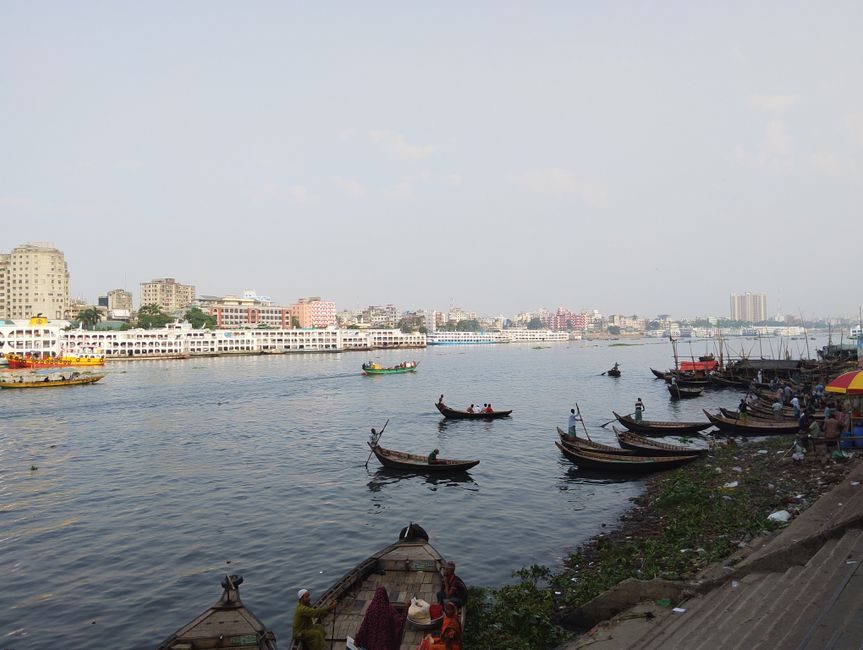
Travellers often begin online, comparing destination pages, maps, accommodation details and operator information before deciding what to book. Tourism businesses can make this process easier by keeping contact details, service descriptions, location information and current operating arrangements consistent. Seo Services can help businesses understand online visibility work that may make useful, accurate information easier for travellers to find.
A useful business page answers practical questions rather than relying on broad claims. It should explain where a service operates, what is included, how visitors can enquire and what they need to confirm before travelling. Clear photos and directions can support those details, but they do not replace accurate contact information or an up-to-date description.
Travellers should compare information across more than one source when a detail could affect the trip. Check the operator’s own contact channel, confirm important arrangements directly and look for specific descriptions rather than vague promises. If a page does not explain access, timing or what a booking covers, ask before making plans or payment.
Clear details build confidence
Reliable tourism information reduces uncertainty by stating what visitors can expect and what they must arrange themselves. An accommodation listing, for example, should make its location and contact route easy to identify; a tour description should explain the activity and relevant inclusions. Specific details let travellers compare services on practical terms.
Businesses should review important information whenever their services or operating arrangements change. A mismatch between a website, map listing and booking message can send a visitor to the wrong place or create confusion about availability. Assigning someone to check public details and respond to enquiries helps prevent avoidable gaps.
Visitors can also use clear information to choose a service that suits their circumstances. Check whether the route, facilities and activity match the group’s needs, and confirm any special requirements directly with the provider. If details remain unclear, choosing an alternative with a more complete explanation may make the trip easier to plan.
Common gaps in tourism information
Details Travellers Need Most
Visitors make better decisions when essential details appear together: opening hours, transport access, entry rules, available facilities and a way to confirm changes. A destination page that only describes scenery leaves practical questions unanswered. For example, a family may need to know whether a site has toilets, shaded seating or a suitable path before travelling.
- Mistake: publishing hours without checking holiday changes; better approach: confirm them with the operator before each update.
- Mistake: describing a route as universally accessible; better approach: state its surface, steps and transport limits.
- Mistake: listing a total cost without exclusions; better approach: separate entry, transport and guide charges.
Information should distinguish confirmed facts from details that can change, such as seasonal boat services or temporary closures. Give a date for the latest update and name a contact point where possible. If a route depends on weather, tides or local permission, say so clearly rather than presenting access as guaranteed.
Costs also need context. Explain what an entry charge covers, whether transport or a guide is separate, and how visitors can check accepted payment methods. Where prices vary by season or visitor category, avoid implying there is one fixed rate; direct travellers to the operator or authority responsible for confirming the current amount.
Keeping Advice Current
Out-of-date directions can waste a visitor’s day, especially when a trip involves several transfers or a remote attraction. Businesses and local organisations should review pages after changes to roads, ferry schedules, admission rules or operating hours. A simple review routine helps prevent old information from continuing to circulate through copied listings and travel posts.
Use one authoritative page as the source for key details, then check that partner listings and social profiles match it. Assign responsibility for updates instead of assuming someone else will notice a change. When information cannot be confirmed, mark it as uncertain and explain how a visitor can verify it before setting out.
Travellers can protect their plans by checking important details close to departure, particularly for sites with limited services or weather-dependent access. Save a contact number and keep a backup activity in mind. These small checks do not replace good information from providers, but they reduce the effect of sudden changes on a day’s itinerary.
Planning a responsible trip in Bangladesh

Choose Suitable Routes
Match the route to the time available, the group’s mobility and the services actually operating. A short city visit may need little advance coordination, while a trip involving river transport or several rural stops can depend on schedules and local conditions. Check how each transfer works before treating separate attractions as one easy day out.
- Check transport links and site access before fixing the day’s itinerary.
- Leave room for delays, changing conditions and respectful visits.
- Confirm essential details with the operator or local authority.
Responsible planning means allowing time for travel rather than filling every hour with stops. Ask operators about realistic journey times, where vehicles or boats depart, and what happens if conditions delay a connection. If a site is reached through a community or protected area, follow local guidance and any rules on photography, waste or visitor access.
Businesses serving a particular destination can help prevent confusion by keeping their local listings, maps and contact details consistent; if they need ideas for that task, Local Seo Services offers a reference point for maintaining accurate place-specific information. Travellers should still confirm an itinerary directly when timing or access matters, rather than relying on a map pin alone.
Respect Places And People
Responsible visitors follow local rules and ask before photographing people, homes or religious activity. Dress expectations and acceptable behaviour can differ by setting, so take cues from posted guidance and hosts. A polite question is better than assuming that a public place or event is automatically open to every kind of visitor activity.
Keep waste with you until it can be disposed of properly, and avoid disturbing wildlife or removing natural and cultural materials. At busy attractions, stay on marked paths and respect limits on access. These choices protect the place itself and help residents feel that tourism does not come at the expense of daily life.
Choose services that explain what a visit involves and communicate clearly about local expectations. A good operator should be able to describe meeting points, group conduct and any restrictions before a booking is confirmed. If a plan seems to rely on entering private land or disrupting local routines, ask for another option rather than treating access as a right.
How businesses can reach overseas visitors
Make Online Details Clear
Overseas visitors need straightforward answers before they commit to a trip: what is offered, where it starts, how to enquire and which languages are supported. Use familiar place names alongside local names where helpful, and write transport directions that make sense to someone unfamiliar with the area. Tourism businesses targeting UK audiences may use Leicester Seo Services as a reference when assessing place-specific marketing support.
- Choose the overseas audience and the trips it can realistically book.
- Prepare accurate descriptions, directions and booking conditions.
- Check website pages and contact details on a mobile device.
- Review enquiries and update information when services change.
A useful website puts practical information before promotional language. Make contact details easy to find, explain booking and cancellation conditions, and identify any services that require advance arrangement. On mobile screens, readable text and a clear route to the enquiry form can matter more than decorative features that slow down access.
Describe the experience accurately, including physical demands, included services and any limits on availability. Avoid broad claims that could create a mismatch between expectations and reality. If a visitor needs special arrangements, offer a direct way to ask about them, and reply with specific information rather than a general assurance that every need can be met.
Build Confidence Across Channels
Visitors may find a business through a search result, a map listing, a travel platform or a recommendation. Keep the business name, address, operating details and contact methods aligned wherever they appear. Conflicting information can make a legitimate service seem unreliable, particularly when a traveller is deciding from abroad and cannot check the premises in person.
Respond to enquiries with useful details about dates, meeting points, payment arrangements and what is included. Set expectations about response times and provide a dependable alternative if the usual contact person is unavailable. Clear communication before arrival reduces avoidable misunderstandings and gives visitors a fair basis for comparing similar experiences.
Invite feedback after a completed visit and address specific concerns calmly. Reviews can reveal recurring gaps, such as unclear directions or a mismatch between the advertised and actual schedule. Do not treat a positive online impression as a substitute for service quality; the experience on the ground must support the claims that helped attract the visitor.
Practical steps for a better visitor experience
Prepare The Arrival
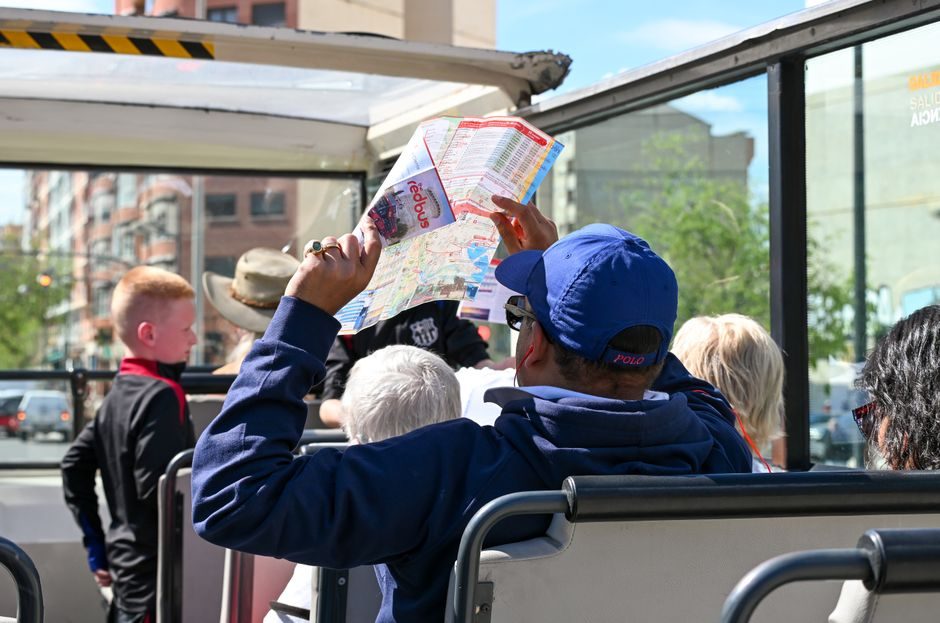
A smooth visit begins before the traveller reaches the attraction: confirm the meeting point, share a usable contact and explain what to do if a vehicle is delayed. A short arrival message can prevent confusion at busy terminals or unfamiliar streets. State whether staff will meet the group or whether visitors should report to a specific desk.
On arrival, give a brief orientation before the activity begins. Point out facilities, safety instructions, the expected duration and any places visitors should not enter. This is especially helpful for groups with different ages or levels of familiarity, because everyone hears the same practical guidance and can raise questions before moving on.
Make it easy for visitors to ask for help without interrupting the whole group. A guide can identify a clear meeting point if anyone becomes separated and explain how to handle a change in weather or schedule. These preparations are simple, but they make the service feel organised and help staff respond consistently when plans shift.
Learn From Each Visit
After the visit, ask a few focused questions about the parts that shape future decisions: whether directions were clear, whether the timing felt realistic and whether the experience matched its description. Specific feedback is more useful than a general request to rate the service. Give visitors an easy way to respond without making it feel compulsory.
Look for repeated issues rather than changing procedures after every isolated comment. Several questions about the same meeting point may signal that directions need a landmark or a revised map. A recurring delay may require a different start time or a more honest estimate of the journey, not simply a more apologetic message.
Share useful feedback with staff and turn agreed changes into clear operating guidance. Update the relevant visitor information as well as internal routines, so future travellers benefit from the improvement. A consistent cycle of listening, checking and correcting helps a tourism business deliver what it promises while adapting to the real conditions of its destination.
Frequently asked questions
What should I confirm before booking a tour in Bangladesh?Confirm the meeting point, start time, duration, what the fee includes and how to contact the operator if plans change. Ask about transport arrangements, physical demands and any access restrictions that affect your group. For trips dependent on weather, river conditions or local permissions, check whether the operator will confirm the visit again close to departure.
How can I check whether attraction information is reliable?Compare the attraction’s own information with details from the operator or relevant local authority, and check when the page was last updated. Confirm opening times, access and transport directly if these could affect your journey. Map listings and old travel posts can help with orientation, but they may not reflect temporary closures, changed services or seasonal conditions.
What makes a tourism business easier for international visitors to use?Clear descriptions, dependable contact details and practical directions help visitors decide whether a service suits their trip. Explain booking conditions, payment arrangements, language support and what is included without relying on local knowledge. Keep the same information across the website and other listings, and answer enquiries with concrete details so travellers can plan confidently from abroad.
How can visitors behave respectfully at local destinations?Follow posted rules and the guidance of hosts, and ask before photographing people or private places. Use marked routes, avoid disturbing wildlife and take rubbish away if disposal facilities are unavailable. Be considerate of residents’ routines, especially in religious or community settings. When access or behaviour is unclear, ask a local guide rather than making assumptions.
Turn Clear Planning Into Better Trips
Tourism in Bangladesh depends on more than an attractive destination: visitors need accurate information, workable transport, reliable services and respectful ways to experience a place. Businesses can improve the journey by keeping details current, setting realistic expectations and listening to feedback. Travellers can do their part by checking access, allowing time for delays and following local guidance throughout the visit.
For your next trip, choose one destination and confirm its opening arrangements, route, meeting point and essential facilities directly with a responsible provider. Save the contact details and leave enough time for the journey. If you run a tourism service, review the same information wherever visitors find you, then correct the first gap that is likely to cause confusion.
Add Bangladesh News as a preferred source on Google


