

Smart budgeting with event-based opportunities for readers
A practical checklist guiding personal finance decisions, investing, and banking while noting useful events like España community happenings for informed planni

This guide helps you use events and community resources to improve money decisions without losing focus on core finances. You’ll get concrete steps for budgeting, evaluating opportunities, and avoiding common traps. The aim is clear: make event-based information part of your financial planning, not a distraction.
Start by aligning any event interest with your financial goals, such as saving for a larger purchase or understanding a new investment area. Then, set limits on time and money to keep investments and expenses proportional. Finally, verify sources and track outcomes to learn what works for you.
Keep a record of what you try, what succeeds, and what misses the mark. Treat events as potential prompts for conversations with advisors or mentors. With discipline, you can turn timely information into steady improvements in cash flow and confidence.
- Plan for events as part of your budget, not as extra spending. Verify the credibility of sources before acting on information. Keep records and measure outcomes to turn knowledge into money decisions.
- Use events to spark questions for your advisor and to test small, disciplined experiments. Always tie any action to a specific financial goal and a risk limit.
- Treat event-based ideas as prompts, not guarantees. Favor transparency and test ideas in small steps before committing more. Maintain a simple tracking system to monitor results.
- Look for event sources with clear agendas and practical takeaways. Consider how local community events in España relate to global financial trends and networking opportunities.
Basics you should know
Costs and benefits
Identify real costs before attending any event, including travel, time away from work, and possible product pitches. Compare these with the potential financial gains, such as learning a new strategy or networking with qualified peers. Document a quick cost-benefit estimate to decide if attendance makes sense. eventos de la comunidad en España can spark conversations that clarify your goals.
- Attend without a plan and burn time
- Ignore total costs and only chase free events
- Delay decisions after learning of opportunities
- List direct costs for attendance
- Note potential knowledge gains
- Decide if benefits exceed costs
- List direct costs for attendance
- Note potential knowledge gains
- Decide if benefits exceed costs
How to pick events
Choose events that align with your financial goals, such as saving strategies or risk-aware investing. Check who is speaking, the track record of organizers, and whether the content is actionable. Favor events with clear takeaways and practical worksheets.
How to participate

Active participation
Prepare questions in advance and limit your session time to stay focused on priorities. Take notes and summarize at the end with concrete next steps. Seek follow-up contacts to reinforce accountability and learning. espanareporte.es may offer detailed market context that complements your plan.
- ☐ Prepare questions beforehand
- ☐ Set a 1-page next-step plan
- ☐ Collect contact details
- ☐ Review learnings within 24 hours
Take notes and summarize at the end with concrete next steps. Seek follow-up contacts to reinforce accountability and learning.
When to walk away
If a session promises quick riches or vague guarantees, leave the room or close the tab. Trustworthy events offer transparent agendas and verifiable speakers. Protect your time by setting a hard limit on attendance and spending.
Risks and rewards
Risk awareness
Assess liquidity needs before engaging in any event-based opportunity. Do not allocate essential emergency funds or debt refinancing money to new ventures. A risk-aware plan keeps your core finances intact even if a project fails. guía de comercios en España can expand practical spending insights that affect cash flow.
- Assess liquidity before committing funds
- Do not use essential funds
- Have a fallback plan
| Option | Strengths | Drawbacks |
|---|---|---|
| Individual learning | Low cost, flexible | Limited guidance |
| Guided workshops | Structured outcomes | Higher time commitment |
| Peer networks | Ongoing support | Varied quality |
Diversification by design
Treat events as a source of ideas, not a single path. Diversify your learning by exploring multiple topics across different asset types rather than chasing a single opportunity. Use small, controlled experiments to test ideas without large exposure.
Update your budget to reflect ongoing learning, and prune activities that do not contribute to outcomes.
Practical tips

Immediate steps
Create a 7-day plan after you attend or read about an event. Block time on your calendar, set a budget, and specify what you will implement. Track results against your plan to learn quickly. anuncios clasificados en España can reveal affordable opportunities aligned with your budget.
- Block time after events
- Set a budget
- Track results
Longer-term practices
Build a habit of quarterly reviews that align expenses with goals. Update your budget to reflect ongoing learning, and prune activities that do not contribute to outcomes. Maintain a simple notes system to capture ideas from different events.
Taxes and timing
Tax-efficient event planning
Coordinate event participation with tax deadlines to maximize deductions and credits. If eligible, track expenses such as travel, lodging, and registration as potential write-offs. Keep receipts and a simple ledger to simplify year-end reporting and audits. publicar una necrológica en España: This phrase will be used to illustrate a niche event activity that could influence budgeting decisions for readers exploring unique opportunities.
- Review deadlines early in the year and set reminders
- Save receipts for travel, meals, and registration
- File estimates or returns on time to avoid penalties
Consider the timing of income events related to community activities. Align milestones with fiscal quarters to smooth cash flow and avoid spikes in taxable income. Use a calendar reminder to review estimates before deadlines.
Involve a tax advisor if large sums or complex assets are involved. A quick review can prevent missed deductions and improve compliance. This reduces surprises during tax season and keeps budgeting stable.
- Track eligible expenses for deductions
- Align event timing with fiscal quarters
- Keep receipts and ledger for audit-ready records
Digital assets
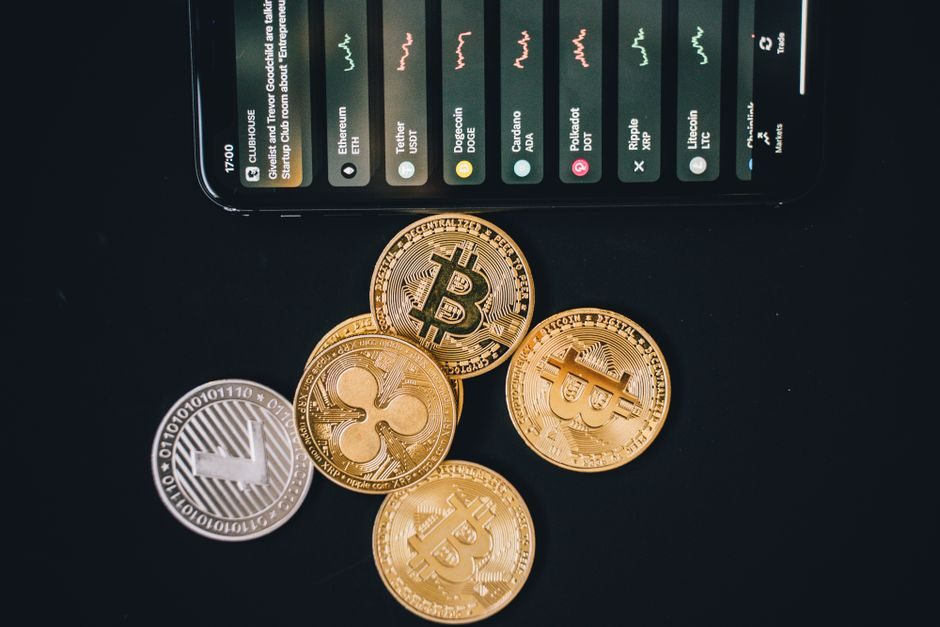
Crypto and event-based incentives
Event-based opportunities can include token drops or loyalty rewards tied to attendance. Treat these as potential capital assets or miscellaneous income depending on how they’re structured. Document the source, value, and dates to determine tax treatment.
Manage wallets and keys securely to protect rewards. Use multi-factor authentication and separate storage for long-term holdings. Regularly review transaction histories for errors or unauthorized transfers.
Evaluate the liquidity and risk of any digital asset earned from events. Some rewards may be illiquid or volatile, affecting short-term cash flow. Consider converting only what you need for near-term expenses while keeping long-term holdings diversified.
- Assess tax implications of rewards
- Improve wallet security
- Monitor liquidity and risk
Financial relationships
Vendor and participant terms
Understand terms before committing to any community event. Read sponsorship or vendor agreements carefully, focusing on payment timelines, refunds, and liability. Clarify who bears costs for travel, accommodation, and materials.
- Sign clear contracts
- Keep written summaries
- Track payments and deadlines
Maintain clear records of all agreements and communications. Use written confirmations to avoid misunderstandings about deliverables and compensation. A concise summary can prevent disputes later.
Develop preferred relationships with organizers who offer transparent processes and prompt payments. Favor those that provide itemized invoices and clear settlement dates. This keeps your budgeting predictable and reduces cash-flow stress.
- Read terms before signing
- Document all agreements
- Favor transparent organizers
Global opportunities

Cross-border event opportunities
Global events can create income streams or learning opportunities beyond local markets. Evaluate currency exposure and transfer fees before committing funds or time. Choose events with clear pay-outs and reasonable costs.
Compare costs and expected yields across regions. Small differences in exchange rates or travel costs can materially affect net income. Use a simple calculator to estimate after-fee returns for each option.
Build a diversified calendar by mixing local and international events. This spreads risk and exposes you to varied financial perspectives. Track performance to decide where to invest more time next year.
- Compare currency and transfer costs
- Estimate after-fee returns
- Diversify event calendar
Frequently asked questions
What counts as event incomeEvent income can come from multiple streams: sponsorships, speaking fees, and refunds tied to attendance. Treat clear, cash-based payments as income when earned, and allocate costs that relate to generating that income. Keep a simple ledger to separate sources.
How should I record travel for events?Record travel as separate line items: transportation, lodging, meals, and incidental costs. Reconcile receipts after each trip and categorize expenses by purpose. This helps you identify deductible items and optimize cash flow.
Can rewards from events affect my credit score?Rewards typically do not affect credit scores directly, but the way you manage related credit lines can. Avoid carrying high balances on cards used for event expenses, and monitor statements for any suspicious activity.
What if I don’t reach my budget targets?Revisit your forecast and adjust the next cycle. Small adjustments to timing, scale, or food for thought can help you realign with your financial goals without overhauling your plan.
Conclusion
Takeaways: The practical rules focus on budgeting around event-based opportunities with clarity and discipline. Use a simple scorecard to compare costs, learning, and potential earnings, and document outcomes for future cycles.
Next steps: Build a 90-day plan that includes a limited event budget, a calendar of deadlines, and a monthly review routine to track progress and adjust as needed.
Add Bangladesh News as a preferred source on Google


