

Turning Weather Into Wealth: Practical Finance Tips for Everyday Decisions
Learn how a local weather update can influence budgeting, investing, and banking choices with clear steps and real-life examples for Bangladeshi readers.

Readers often skip weather chatter, but daily conditions influence budgeted spending, risk, and opportunities. This article translates a simple forecast into tangible financial choices, from emergency cash to investment timing. You’ll gain practical steps you can apply today, no jargon and no hype.
Weather updates affect energy costs, commuting, and disruption risk, all of which shape financial plans. By translating forecast data into actions, you can protect savings and seize short-term opportunities. This guide shows how to turn a routine forecast into smarter money management.
The approach stays grounded in real life: start with your monthly needs, then map forecasted scenarios to actions on your accounts, investments, and debt. You’ll see concrete examples and checklists you can reuse across months. The goal is simple: fewer surprises, steadier progress toward financial goals.
- A forecast can sharpen budgeting and reduce surprise costs.
- Use forecast signals to adjust spending, not to make dramatic moves.
- Balance flexibility with a steady plan to protect savings and meet goals.
- Track weather-driven risks across utilities, transport, and investments.
Basics of forecasting and finance
What forecast data matters
Forecasts provide probabilities, not guarantees. Focus on temperature, precipitation, and wind patterns that affect daily expenses and risk. Use this data to adjust budgets for utilities, transportation, and discretionary spending. Bağcılar Bugünkü Hava Durumu is a phrase in Turkish referring to a weather update, and this article uses the idea to illustrate how forecasts influence daily finances.
For example, a rainy week might raise energy bills and commute costs, while a heatwave could increase air conditioning use and cooling needs. Track whether weather alerts align with your bill cycles to anticipate larger-than-usual payments.
Understanding limitations helps prevent overreacting. Weather is unpredictable, so plan with a flexible budget cushion and alternative options like public transit or ride-sharing during storms.
- Track utility bills against weather forecasts
- Budget a small contingency fund
- Consider shifting discretionary purchases
How weather affects cash flow

Cash flow in daily cycles
Forecasts help time bills and cash gaps. Align rent, utilities, and loan payments with expected income and weather-influenced costs. A simple calendar can reduce late fees and penalties. istanbul bağcıkar iş ilanları can appear in search results; here we translate that relevance into how job market news affect budgeting and financial planning, showing readers how to adapt to changing incomes and opportunities.
Forecast-based planning reduces stress. Build a weekly review to adjust spending categories if forecasts shift, avoiding sudden scrambles for funds.
The key is consistency: small, predictable adjustments beat large, reactive changes.
- Schedule payments around predictable income dates
- Set aside a weather contingency in your emergency fund
- Adjust groceries and transport allowances per forecast
Investment considerations tied to weather
Timing and risk management
Economic activity often follows weather patterns, especially in consumer sectors. Use forecasts to reallocate small portions of a portfolio toward more resilient assets when disruptions loom.
Don’t chase weather-news hype. Make moves only when your plan and risk tolerance align, keeping exit rules clear.
Maintain diversification so weather shifts don’t tilt your entire portfolio.
- Rebalance only with a prior plan
- Keep a lightweight core with cash reserves
- Avoid concentrated bets on climate-sensitive sectors
| Option | Pros | Cons |
|---|---|---|
| Traditional savings | Stable, accessible | Inflation risk over time |
| High-yield savings | Better return in calm periods | Lower liquidity during storms |
| Emergency fund | Reduces debt risk | Requires upfront saving |
Use a structured 3-step check: verify data source, compare with your budget, and assess impact on debt and savings.
Common mistakes and how to avoid them

Avoid overreacting and under-preparing
Reacting to a single forecast can derail plans. Use a structured 3-step check: verify data source, compare with your budget, and assess impact on debt and savings.
Keep a written plan that ties forecasted conditions to specific actions. This reduces impulse moves during storms or heat waves.
Review quarterly to ensure the plan remains aligned with evolving goals and personal risk tolerance.
- Verify data sources
- Tie forecasts to budgets
- Review quarterly and adjust
Practical budgeting templates
Simple weekly budget framework
Start with a clear weekly budget to guide daily spending. List fixed costs like rent, utilities, and debt payments first, then allocate for essentials and small discretionary buys. Track actuals against plan to spot drift early and adjust before it compounds.
- ☐ Capture all income and fixed costs in one pane
- ☐ Identify at least two nonessential areas to trim
- ☐ Automate one savings goal and one debt payment
- ☐ Review weekly and update forecasts for the month
Use a simple template that separates needs from wants and captures irregular expenses. This helps prevent cash gaps when weather or markets push costs up. Review the numbers at least once a week and reallocate as needed for the coming days.
A practical setup balances awareness with action: set aside a buffer for surprises, allocate a tiny fund for emergency gear, and schedule automatic transfers to savings. The goal is consistent progress, not perfection in every category.
- Track every expense for at least a week
- Set an emergency buffer of 2-3 days of essential costs
- Automatic transfers to savings after payday
- Review and adjust weekly
Insurance and safety nets

Building a basic safety cushion
A safety net begins with proper insurance coverage and a cash reserve. Prioritize health, home, and liability protections that could derail finances after a weather disruption or market drop. Understand deductibles and payout timelines to avoid surprise gaps when you need funds most.
Build a liquid emergency fund separate from retirement accounts. Aim for enough to cover three to six months of essential expenses, not lavish spends. Revisit coverage as income or family needs change to stay resilient.
Consider how weather or economic shifts affect your liabilities and assets. Regularly review policy details and claim processes so you can move quickly if a claim is needed. Small improvements in coverage can prevent large out-of-pocket costs.
- Review health and home insurance annually
- Keep an easily accessible emergency fund
- Check deductibles against potential disruption costs
- Know how to file a claim quickly
Banking habits under disruption
Managing daily banking during shocks
During interruptions, keep a minimal banking routine that centers on essential payments and liquidity. Use autopay for critical bills but monitor thresholds to avoid overdrafts. Have a small reserve in a liquid account to ride out outages or delays.
- Enable alerts for unusual transactions
- Keep a small buffer in a savings account
- Know alternative payment methods during outages
- Document contact numbers for your bank
Track cash flow with a simple ledger or app that flags pending payments. This helps you see where a disruption might cause a shortfall and lets you arrange a workaround, like shifting a transfer date. Regularly confirm that your payment methods remain valid and updated.
When disruption lasts, diversify access: carry a card, keep some cash, and know your account’s offline options. Understand ATM fees, withdrawal limits, and merchant acceptance to prevent payment gaps.
- Set autopay for essential bills with alerts
- Maintain a liquid buffer for outages
- Keep a diversified access plan (card, cash, offline)
- Monitor card validity and limits
Crypto and volatility considerations
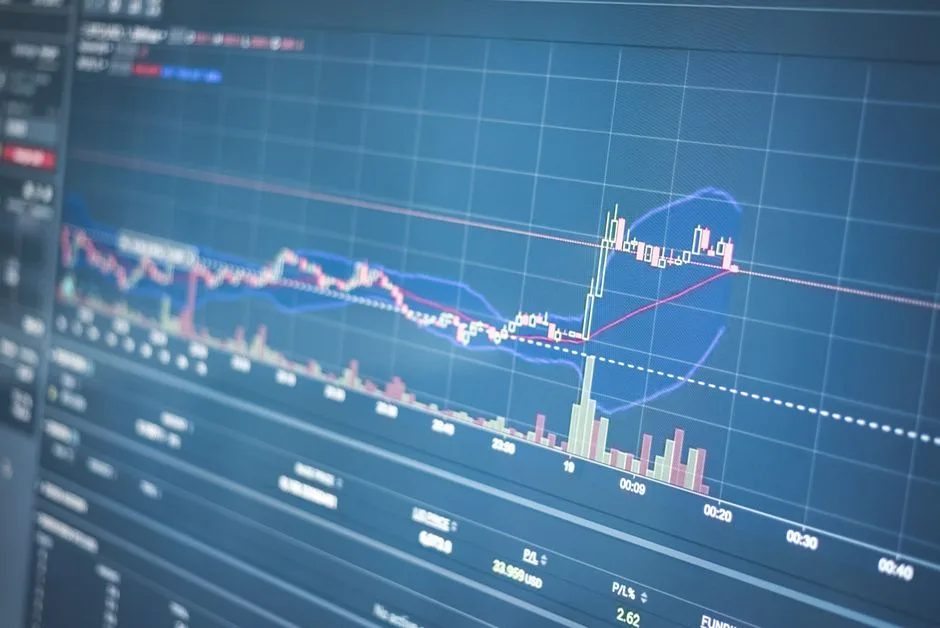
Approaching crypto with discipline
Crypto markets swing on news and liquidity shifts, which can impact investment plans. If you allocate, limit exposure to a fixed portion of your portfolio and set clear exit rules. Avoid chasing short-term gains with money you cannot afford to lose.
Use a framework that separates core savings from high-risk bets. Treat crypto as a speculative sleeve and do not fund routine expenses with it. Regular reassessment helps keep long-term goals on track and reduces emotional decisions.
Plan for tax and wallet security early. Keep records of trades for reporting and implement strong authentication. A practical approach focuses on position sizing, diversification, and disciplined rebalancing rather than hype.
- Limit crypto to a small portfolio share
- Set explicit entry and exit rules
- Don’t fund essentials with speculative assets
- Improve security with strong authentication
Frequently asked questions
What if I face a sudden cash shortage?If you suddenly lack cash, identify every essential payment and delay discretionary expenses first. Tap a small emergency fund if available, then contact creditors to negotiate temporary terms. Prioritize minimum payments to avoid penalties and credit score damage. Review your automatic transfers and standing orders to adjust as needed, and consider pausing nonessential subscriptions until the situation stabilizes.
How do I balance savings with high living costs?Start with a clear baseline of essential expenses and compare it to income. Direct minimal discretionary spending toward goals you care about, like an emergency fund or retirement contributions. Small, consistent steps compound into greater security over time. Automate transfers on payday and revisit the plan monthly to reset when needed.
Should I diversify across assets during volatile weather?Diversification helps reduce risk when markets swing due to external shocks. Align your mix with risk tolerance and time horizon, and avoid chasing last week’s winner. Rebalance only when allocations drift beyond a pre-set threshold to avoid unnecessary fees.
What budgeting mistakes hurt most with rising costs?Over-optimistic assumptions about income or expenses create gaps. Start with conservative estimates for essential costs and adjust as you observe actuals. Prioritize high-interest debt and automate payments to avoid penalties while keeping savings steady.
Conclusion
Take the weather as a signal to act, not to panic. Build a practical budgeting method, verify insurance coverage, and maintain adaptable banking habits to weather disruptions without derailments.
Apply a calm, rules-based approach to crypto and volatility, ensuring you don’t overextend on speculative bets. Your financial resilience grows when you combine planning, protection, and disciplined execution.
For more insights on this topic, you might find Bağcılar Otobüs Hatlarıyla Finansal Planlama Yolculuğu particularly informative.
For more insights on this topic, you might find Guía clara para comprar o alquilar: particularly informative.
For more insights on this topic, you might find Bağcılar Hakkında Güncel Bilgilere Ulaşın: Basitçe particularly informative.
Add Bangladesh News as a preferred source on Google


